


Sandbox
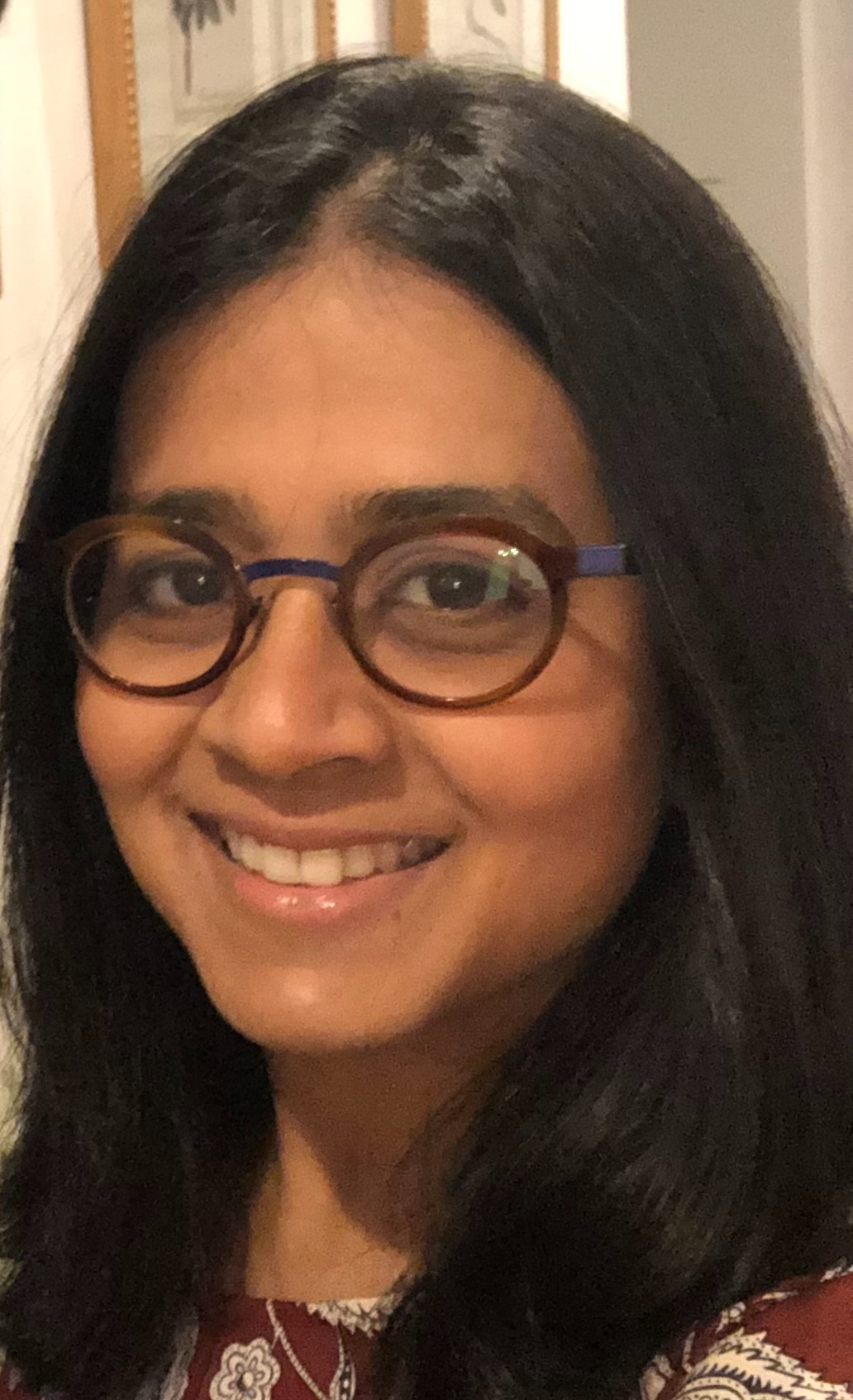

By: Pranjal Shirwaikar
Seattle, November 2016
The holidays were upon us, and everything around us was cheerful, bright, and merry. And I was unprepared and overwhelmed. Not just with the holiday season. About my life lately. I could not quite decode motherhood or what that job meant in its entirety. In a voice incriminatingly low, swearing secrecy to my bathroom mirror I had confessed it all!
“Ira, you were once, one of the smartest people in the room. But motherhood is a different skill. You’ve had no experience with young kids, siblings or even a pet. So, slipping and floundering is normal. Nobody would question your love. But you need help. Everyone does. Your anxieties and your triggers can’t be helped but they can be managed. With a red face, white shirt, and gray pants, you could have been all set for the Holidays, but right now, there’s nothing motherly about you. You resemble an overtired circus clown.”
Every night, as the sun set, a dreary silence took over. I feared the dark. I was preparing myself for the hours I would sleep and calculating the hours I would stay awake because at least one baby needed feeding, a diaper change, or was teething.
And yet, I couldn’t imagine a moment without Krish and Kabir. Not even on days when Samar would have gladly taken over, giving me an entire day to rest and sleep. My body may have recovered but my mind had me arrested in a state of remorse and guilt of the babies I didn’t birth; of those I lost into oblivion. The ones that would finally walk this earth and breathe its air gave me a chance at motherhood, allowing me, in brief moments, to forget the loss I had endured. Of the loss I had made Samar endure.
This was my shot at creating a family; of having a connection with another human through blood. I was finally blessed with all I thought I wanted.
The truth however was that I was drowning. I was missing the gratitude I must feel as someone who once blamed the universe for not bestowing motherhood on me.
Childcare was expensive. It felt like two mortgages and another half. A therapy bill was going to push us further to the edges of financial discomfort. I called it a moment of weakness when I scrolled through the photos on my phone to find a picture I took in an elevator—if I ever felt the need. The same building that housed the pediatrician and the dentist was also home to a therapist, Dr. Kincaid.
Overwhelmed and teary-eyed, I called Samar. Krish and Kabir were both blissfully occupied in the sandbox with tiny trucks and sand all over their feet at the sparsely occupied Volunteer Park playground.
“Everything ok?” he asked, sensing it was not usual that I called in the middle of the day.
“Yes.” I said. Then clarified, “The kids are fine. It is me. I am not ok. I cannot manage this. I do not know if I am good enough…at this.”
“Ummmm.” My pause was long. My breath couldn’t catch up. It felt arrested between my throat and my mouth. I looked up at a tree, a magnanimous spruce with what felt like kind eyes and a forgiving embrace. Not the Banyan I was used to. But it embraced me in those few seconds. I could see shame, guilt reflecting in my surroundings. But in its eyes, I felt grounded in my reality. I wished the tears would flow back in, from where they came. But they didn’t. If anything, they came even more forcefully. “I do not know what to do,” is what came out next, along with a sigh of relief. There. I had said it aloud. I didn’t know what to do. The sand, the trees, the play structure, the bench at the park and Samar, all knew it.
Silence filled the time and distance between us. I could not guess if he was upset or angry. But even if he was, he did not show it. After a few seconds, all that he said was, “Let me call you back in five minutes.”
Five minutes turned to an hour, or more. I cannot recollect now. I was pushing the stroller My boys were left to entertain themselves by looking at passersby, cars, bicyclists and fire trucks on the way. I could see granules of sand rushing, bouncing and gliding from side to side along the edges of the stroller where four feet dangled. It was everywhere, on the soles, along the lip of shoes waiting to gain entry into the shoes, sprinkled on the socks, pants and jackets that Krish and Kabir wore, certainly in their hats.
I walked at a glacial pace. I didn’t sing or talk. A few minutes after I crossed Roy Street, guilt took over. I hummed a little to make up for those moments of silence. Tears were accumulating around the edges of my eyes. It was a moment where I had prioritized my need for quiet reflection over being actively involved in conversation and song. My gaze was set only on the handlebar of the stroller. I couldn’t imagine looking at another human, known or unknown, should my eyes tell them all about me. Just a little sand from the sandbox—I was ready with an explanation. If I could walk safely with my eyes closed, I would.
Samar didn’t call. He sent a bunch of texts. I’m glad it was text messages and not a phone call. A series of text messages. With details on health insurance and care providers and the names of two therapists who were open to new patients. “Call them now. If the kids cry, let them. You won’t scar them. I’ll try to get home early tonight.”
The day had gone by. Krish and Kabir were up from their nap. Dinner was on my mind, as was their bedtime routine. They needed a snack and some more playtime. I needed a shower. And a nap. Laundry needed folding. There was sand in the entryway. Toys and books were what I deemed out of place.
Samar walked through the doors and asked, “Did you call?”
“I didn’t get a chance to. The kids woke up early and then I got busy.” I said softly, hoping no one would hear what I didn’t quite say.
Samar eyes, the eyes that had till this day shown only love and kindness, love and respect, love and more love, in this moment had nothing. He didn’t say a word but dropped his bag, picked up both kids.
“Call now and leave a message.” That was all he said.
I saw Dr. Kincaid for the first time the following week. That seemed to be the beginning of the skirting around disagreements, burying resentments, avoiding mood swings, ignoring intentional silences and growing distances. Walking on eggshells and landmines ensued. But we are here now, Samar and I working as a team, raising our twins, fostering our careers, and finding middle ground. I am still looking for a word that would stand for understanding, respect, patience, compassion, and kindness. Perhaps it is love. Perhaps it’s a value system.
********


Comments